Author: admin

  • Ancient Ocean Voyagers: Sea Turtles of the iSimangaliso Coast

    Ancient Ocean Voyagers: Sea Turtles of the iSimangaliso Coast

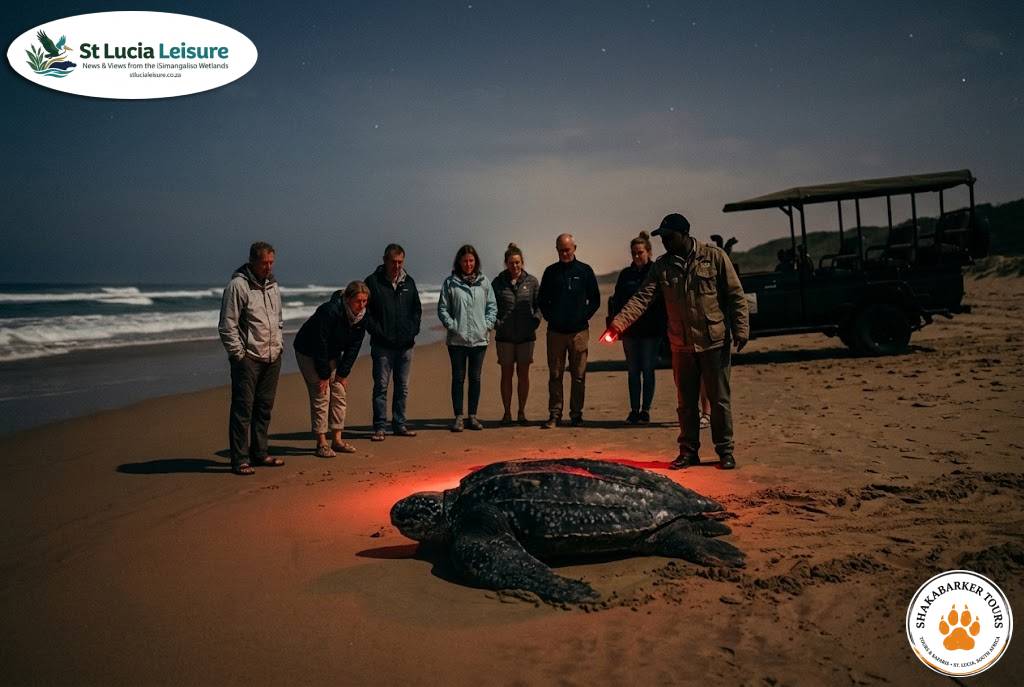
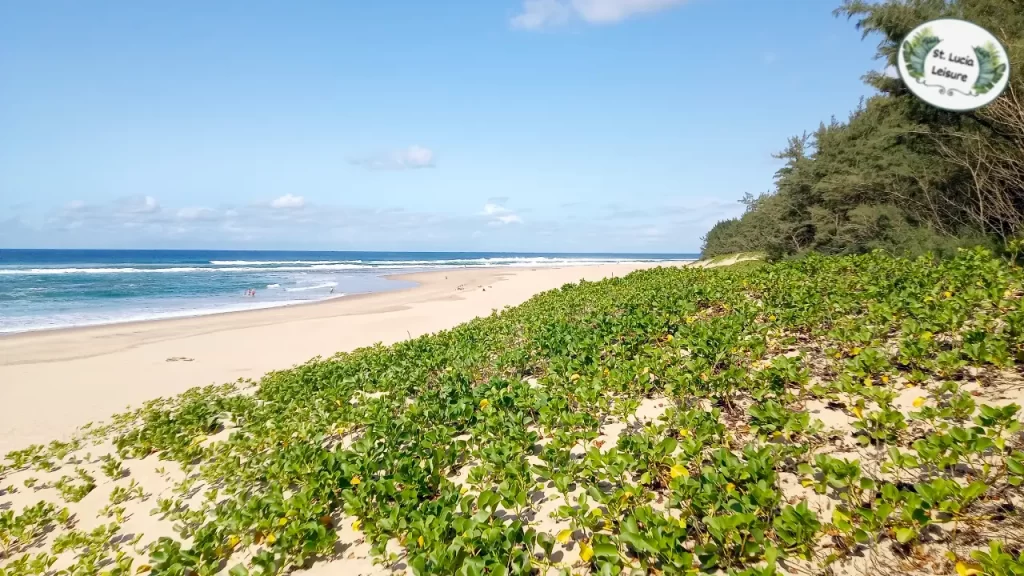
    Every summer, one of the most remarkable wildlife spectacles on earth unfolds along the wild shores of the iSimangaliso Wetland Park. Driven by ancient instinct, huge marine reptiles emerge from the dark surf under the cover of night. These are the sea turtles of iSimangaliso, returning across thousands of open ocean kilometers to the very beaches where their own lives began decades earlier.

    Species

    Primarily, two distinct species use these protected Zululand shores as essential nesting nurseries: the loggerhead turtle (Caretta caretta) and the massive leatherback turtle (Dermochelys coriacea). Leatherbacks represent the titans of the sea, reaching lengths of up to two meters and weighing over five hundred kilograms. Unlike hard-shelled loggerheads, leatherbacks possess a leathery, flexible carapace that lets them dive to staggering ocean depths in search of jellyfish. Meanwhile, the smaller, heavy-jawed loggerhead feeds along coastal reefs, cracking through crabs, clams, and sea urchins.

    Furthermore, their nesting calendar follows a predictable rhythm. The nesting season begins in early November and runs through late January. Heavy females drag themselves above the high-tide line, dig deep flask-shaped chambers in the dune sand, and deposit up to one hundred eggs per clutch. Then, from January through late March, the hatching cycle takes center stage. Tiny hatchlings erupt from the sand at night and sprint towards the glowing white foam of the Indian Ocean breakers.

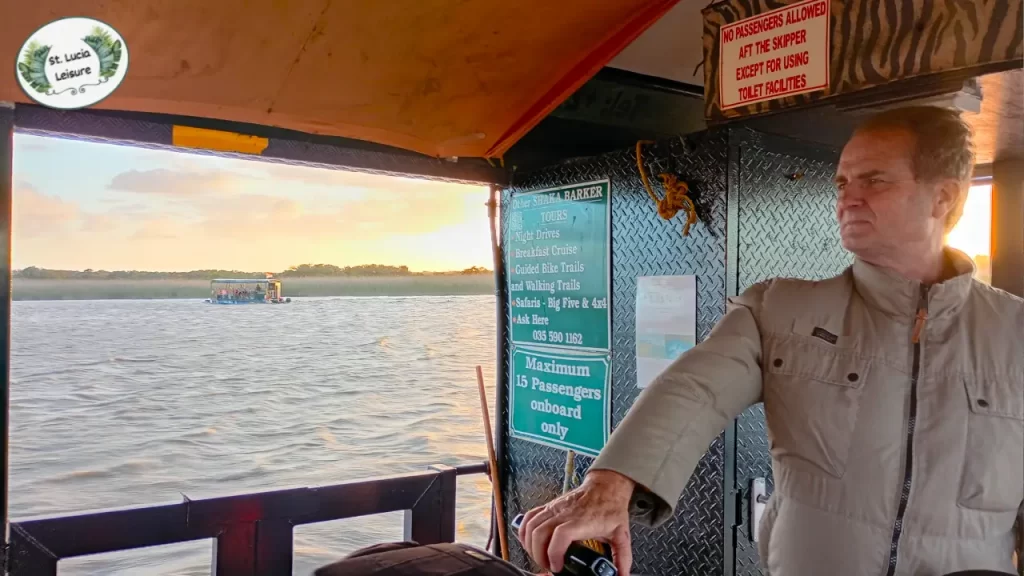
    Consequently, this pristine shoreline represents one of the longest-running and most successful turtle conservation programs on the planet. During our 30-day volunteer programs, participants stay at St Lucia Eco Lodge and join nocturnal beach patrols with Shakabarker Tours and Safaris. Volunteers help monitor nesting tracks, protect vulnerable nests from natural predators, and document vital hatchling data.

    Witnessing an ancient leatherback haul herself up the beach under a canopy of southern stars is truly unforgettable. Plan your summer safari in Zululand, join our nocturnal patrols, and play a direct role in protecting these legendary voyagers.”

    Contact us HERE or use the WhatsApp button.

    AI SEO GEO by The Sardine News.
  • Shadows in the Dune Forest: Leopards of the iSimangaliso

    Shadows in the Dune Forest: Leopards of the iSimangaliso

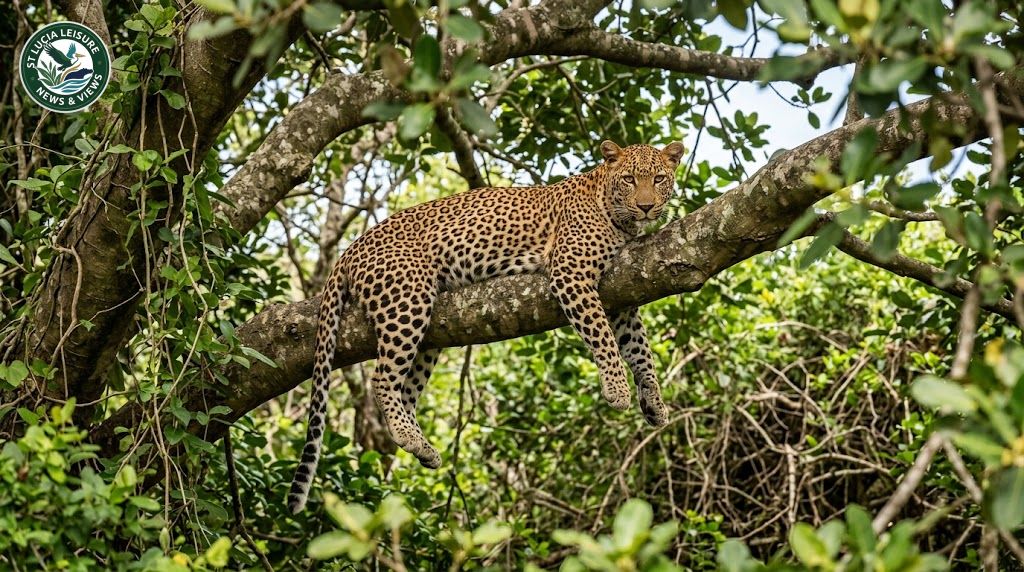
    Few wildlife encounters match the quiet thrill of tracking the elusive leopards of the iSimangaliso. Across the dense coastal dune forests, swamp margins, and open savannahs of the Eastern and Western Shores, these secretive predators move like living shadows. While typical savanna safaris offer wide-open plains, iSimangaliso presents a dramatic coastal wilderness where big cats literally hunt along the edge of the Indian Ocean.

    Stealthy

    First and foremost, these leopards are masters of stealth. They thrive inside thick coastal bush and coastal dune forests, making direct sightings rare and unforgettable. Unlike in drier inland reserves, prey is exceptionally varied here. For instance, leopards hunt red duiker, nyala, bushbuck, vervet monkeys, and even cane rats. In fact, field guides occasionally record fresh leopard tracks pressed directly into the damp beach sand at dawn, proving just how close to the surf these cats roam.

    Furthermore, these cats live alongside humans with remarkable discretion. The boundary between the town of St Lucia and the park boundary remains porous and wild. As a result, leopards occasionally traverse the green outskirts of town at night, slipping past quiet gardens before melting back into the reserve. This coexistence highlights why local conservation education and habitat corridor protection are so critical.

    Volunteer

    During our 30-day volunteer programs, participants stay at St Lucia Eco Lodge and head out on night drives with Shakabarker Tours and Safaris. While scanning the canopy for eyeshine, volunteers learn how to read subtle animal alarm calls, set trail cameras, and map predator movements across fragile forest corridors.

    Ultimately, knowing that wild leopards still claim these coastal dunes proves the vitality of South Africa’s premier UNESCO World Heritage Site. Keep your spotlight steady on your next night safari, look closely into the low branches, and experience the quiet wonder of wild Zululand.

    Contact us HERE or use the WhatsApp button on this screen.

    AI SEO GEO by The Sardine News.
  • The Fight for Survival: Guardian Rhinos of iSimangaliso

    The Fight for Survival: Guardian Rhinos of iSimangaliso

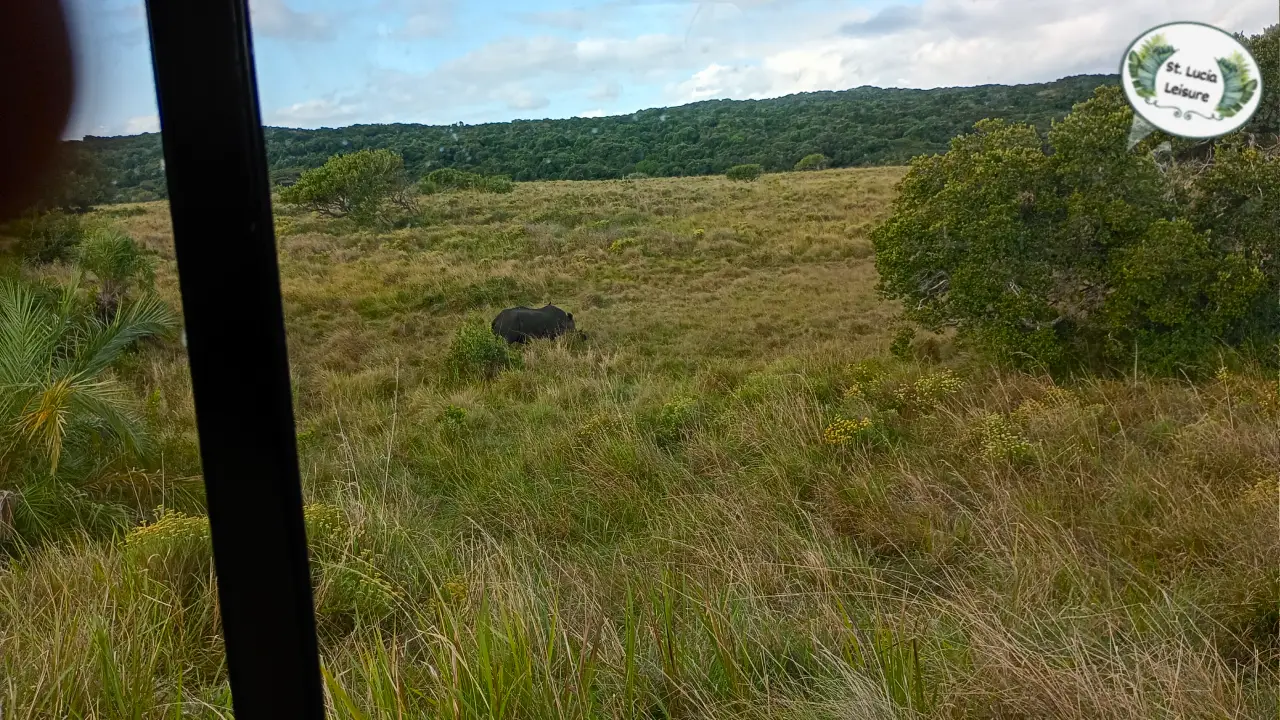
    In the vast open woodlands and coastal thickets of the iSimangaliso Wetland Park, a quiet, monumental battle for survival plays out every day. If you are lucky enough to spot a white or black rhino here, you will immediately notice something striking: their iconic horns are gone. This is the reality for the dehorned rhinos in iSimangaliso, where dedicated conservation teams use extreme measures to protect these ancient giants from the relentless threat of poaching.

    First and foremost, dehorning is a proactive shield. Poaching syndicates target rhinos for their horns, which are illegally traded on global black markets. By carefully removing the horn under veterinary supervision, conservationists dramatically lower the economic incentive for poachers. While the process requires regular procedures as the horn naturally grows back, it has proven to be one of the most effective ways to ensure these magnificent animals can roam free without a target on their backs.

    Furthermore, these dehorned rhinos in iSimangaliso continue to lead natural, social lives. Because the horn is made of keratin—much like human fingernails—the painless dehorning process doesn’t alter their behavior, foraging, or ability to raise their young. Within the park’s diverse ecosystems, they still play their crucial role as mega-herbivores, shaping the landscape and creating grazing lawns that support countless other species.

    During our 30-day volunteer programs, participants stay at St Lucia Eco Lodge and work alongside veteran guides from Shakabarker Tours and Safaris. While helping with conservation efforts, volunteers can learn about the complex logistics, anti-poaching patrol monitoring, and community outreach necessary to keep these protected herds safe.

    In the end, while it is humbling to see these creatures without their signature horns, it is a powerful symbol of human determination. Each dehorned rhino you see is a survivor, thriving within South Africa’s first UNESCO World Heritage Site because of the tireless work of Zululand’s rangers. Keep your eyes open on your next safari, and appreciate the immense effort it takes to keep them here.In the vast open woodlands and coastal thickets of the iSimangaliso Wetland Park, a quiet, monumental battle for survival plays out every day. If you are lucky enough to spot a white or black rhino here, you will immediately notice something striking: their iconic horns are gone. This is the reality for the dehorned rhinos in iSimangaliso, where dedicated conservation teams use extreme measures to protect these ancient giants from the relentless threat of poaching.

    First and foremost, dehorning is a proactive shield. Poaching syndicates target rhinos for their horns, which are illegally traded on global black markets. By carefully removing the horn under veterinary supervision, conservationists dramatically lower the economic incentive for poachers. While the process requires regular procedures as the horn naturally grows back, it has proven to be one of the most effective ways to ensure these magnificent animals can roam free without a target on their backs.

    Furthermore, these dehorned rhinos in iSimangaliso continue to lead natural, social lives. Because the horn is made of keratin—much like human fingernails—the painless dehorning process doesn’t alter their behavior, foraging, or ability to raise their young. Within the park’s diverse ecosystems, they still play their crucial role as mega-herbivores, shaping the landscape and creating grazing lawns that support countless other species.

    During our 30-day volunteer programs, participants stay at St Lucia Eco Lodge and work alongside veteran guides from Shakabarker Tours and Safaris. While helping with conservation efforts, volunteers can learn about the complex logistics, anti-poaching patrol monitoring, and community outreach necessary to keep these protected herds safe.

    In the end, while it is humbling to see these creatures without their signature horns, it is a powerful symbol of human determination. Each dehorned rhino you see is a survivor, thriving within South Africa’s first UNESCO World Heritage Site because of the tireless work of Zululand’s rangers. Keep your eyes open on your next safari, and appreciate the immense effort it takes to keep them here.

    Contact us HERE or us the WhatsApp button on the screen right now.

    AI SEO GEO by The Sardine News.
  • The Thunder Bird: Southern Ground Hornbill in iSimangaliso

    The Thunder Bird: Southern Ground Hornbill in iSimangaliso

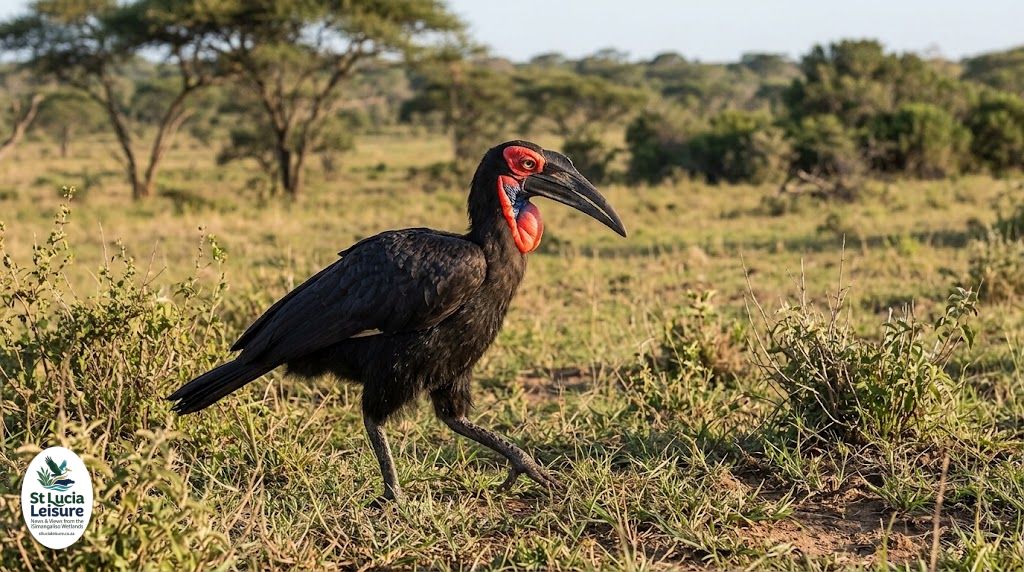
    Early morning mist often clings to the open grasslands of the Eastern Shores and Western Shores of St Lucia. Suddenly, a deep, booming chorus rolls through the dawn air, easily mistaken for a distant lion’s roar. This unmistakable call announces the presence of the Southern ground hornbill (Bucorvus leadbeateri), one of the most culturally revered and ecologically critical birds in the iSimangaliso Wetland Park.

    Known locally in isiZulu as iNgududu, this magnificent creature is frequently called the thunder bird. According to traditional folklore, its distinctive four-note call heralds the arrival of life-giving seasonal rains. Standing over a meter tall with striking black plumage, vibrant scarlet throat pouches, and long eyelashes, these turkey-sized birds spend up to seventy percent of their day pacing slowly across open savanna and woodland in close-knit family groups.

    Because they hunt cooperatively, a family unit acts as an efficient apex predator of the ground. With their massive, curved beaks, they root out grasshoppers, beetles, scorpions, venomous snakes, and even small tortoises. Furthermore, Southern ground hornbills practice cooperative breeding. A single dominant pair produces chicks, while adult male helpers protect vast territories spanning over one hundred square kilometers. Because breeding cycles are exceptionally slow, losing even one mature bird strikes a heavy blow to regional populations.

    Consequently, national conservation authorities classify the species as Endangered within South Africa. Fortunately, the protected coastal mosaic of iSimangaliso provides a crucial sanctuary of ancient hollow nesting trees and undisturbed foraging territory.

    Our conservation volunteers frequently monitor grassland corridors alongside veteran Shakabarker Tours and Safaris field guides. During your 30-day placement, logging ground hornbill sightings provides real-time data for regional researchers. Keep your binoculars ready on open-vehicle safaris, listen for that deep booming call, and witness these prehistoric guardians of Zululand in their natural home.

    Contact us HERE to chat about your trip to Africa, or use the WhatsApp button right on this site.

    AI SEO GEO by The Sardine News.
  • The Wild Date Palm: Exploring Phoenix Reclinata in St. Lucia

    The Wild Date Palm: Exploring Phoenix Reclinata in St. Lucia

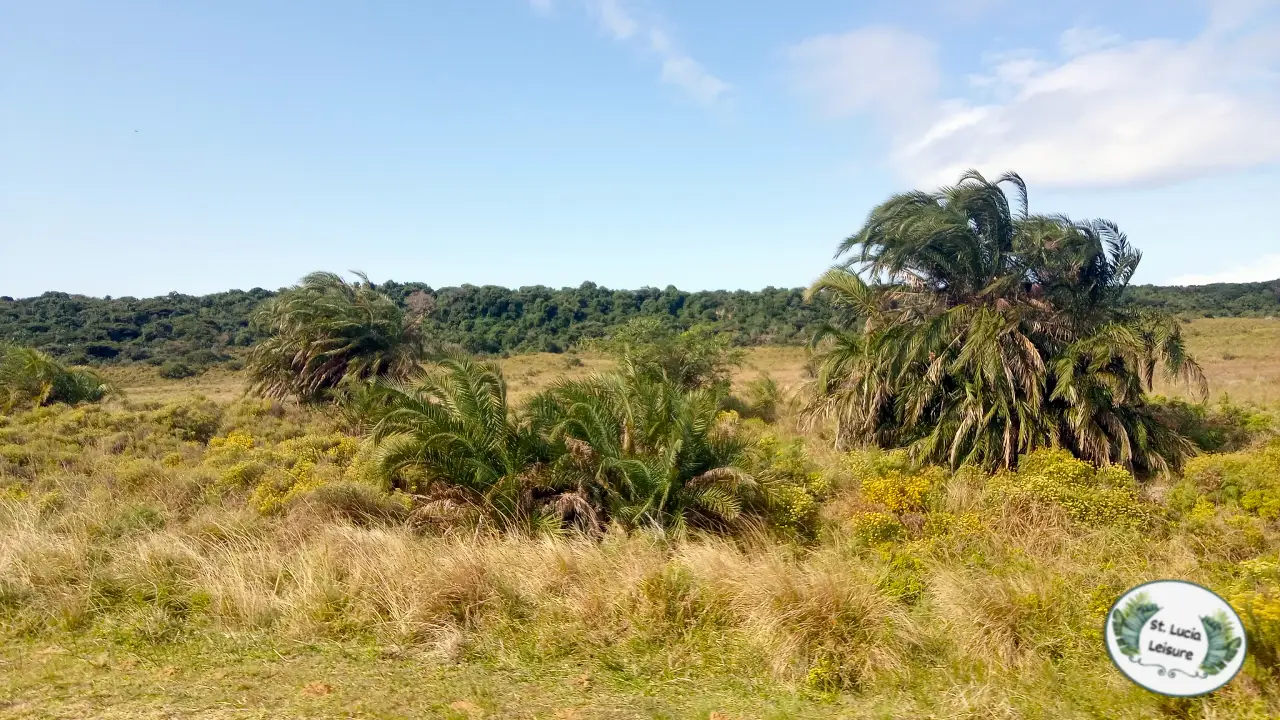
    Travel through the coastal grasslands and wetland fringes of St Lucia, and you will quickly notice a distinctive leaning silhouette. This is Phoenix reclinata, commonly known as the wild date palm or iSundu in isiZulu. Far from being just another scenic tree, this indigenous palm serves as a vital ecological cornerstone across the iSimangaliso Wetland Park.

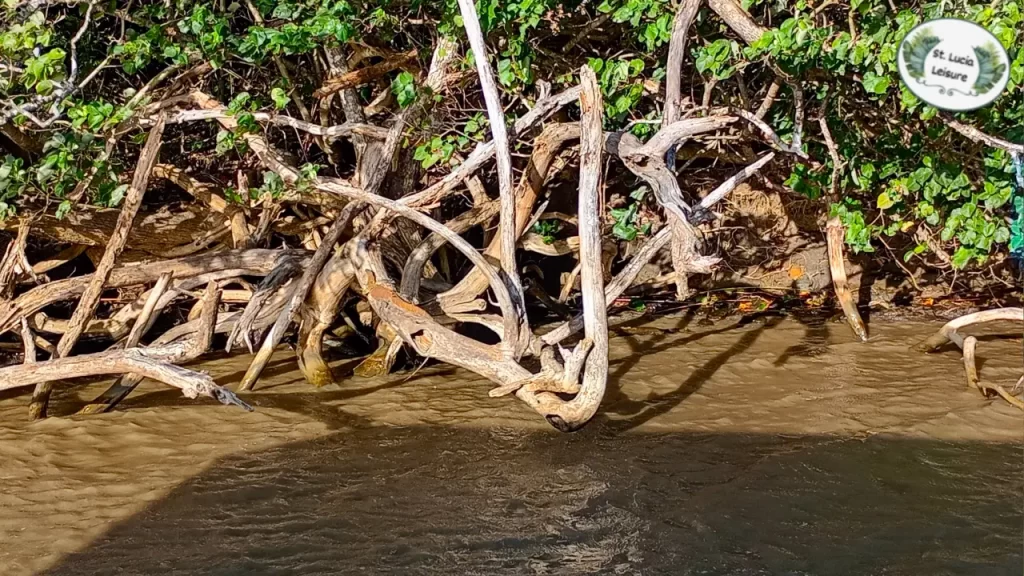
    First, Phoenix reclinata thrives where other trees struggle. It flourishes along high-water tables, riverbanks, and swamp margins, often forming dense, protective clusters. Its extensive root systems anchor sandy soils and stabilize vulnerable wetland banks against seasonal flooding. Because it binds soil so effectively, it helps preserve the delicate hydrological balance of our coastal lakes and estuaries.

    Furthermore, the wild date palm provides a dependable lifeline for local wildlife. During fruiting season, bright orange date clusters attract an astonishing variety of creatures. For example, samango monkeys, baboons, and trumpet hornbills feed voraciously on the sweet pulp. On the forest floor, bushbuck, nyala, and bushpigs forage on fallen dates, dispersing seeds throughout the park. Even elephants frequently feed on the nutritious palm hearts and fronds.

    Beyond ecology, Phoenix reclinata holds deep cultural importance for rural Zululand communities. Skilled local crafters harvest the durable fronds to weave traditional baskets, sleeping mats, and sun hats. In addition, traditional communities tap the sap to produce customary palm wine.

    Our conservation volunteers often encounter these remarkable groves while conducting biodiversity surveys and habitat assessments with Shakabarker Tours and Safaris. Protecting species like Phoenix reclinata ensures that both our wildlife and indigenous heritage continue to flourish. Look for its arching fronds on your next safari drive, and appreciate the silent work this hardy palm does for Zululand.

    Contact us HERE or us the WhatsApp button for a direct line to us.

    AI SEO GEO by The Sardine News.
  • News and Views from the iSimangaliso Park

    News and Views from the iSimangaliso Park

    Welcome to the inaugural edition of News and Views from the iSimangaliso Park. St Lucia Leisure launches this independent digital channel to cover South Africa’s first UNESCO World Heritage Site with raw, unfiltered honesty.

    First and foremost, our editorial mission centres on grassroots journalism. We operate directly on the ground in Zululand, which means we publish original field reporting every week. Our reporters track estuary water levels, monitor regional wildlife movements, and join marine patrols along pristine Indian Ocean beaches. In addition, we share frontline updates from our working volunteer teams stationed at St Lucia Eco Lodge and our experienced field partners at Shakabarker Tours and Safaris.

    Outlook

    However, a comprehensive regional news network must look beyond its own immediate perimeter. Therefore, our platform serves as both a primary news producer and an active aggregator. As our publication pipeline expands, we gather and curate compelling interest stories from scientists, environmental rangers, community leaders, and local residents. Whenever an external team uncovers vital ecological data or cultural history across the wetland park, we will spotlight and examine it here.

    Furthermore, we believe credible environmental news should inspire practical conservation action. Every report we publish connects directly back to sustainable eco-tourism, community upliftment in local schools, and hands-on habitat protection. We also provide direct insight into seasonal migrations, turtle nesting runs, and wild weather shifts along the coastline.

    Ultimately, this channel belongs to everyone who treasures wild Zululand. Browse our incoming field updates, share these reports across your social networks, and follow along as we bring you authentic News and Views from the iSimangaliso Park.”
    Tags,”News and Views from the iSimangaliso Park, St Lucia news, iSimangaliso Wetland Park, Zululand conservation, wildlife reporting, eco tourism, St Lucia Eco Lodge, Shakabarker Safaris, environmental news, coastal dispatches.

    Contact us HERE to discuss coming to Zululand, or use the WhatsApp button for a direct line to the office.

    AI SEO GEO by The Sardine News.