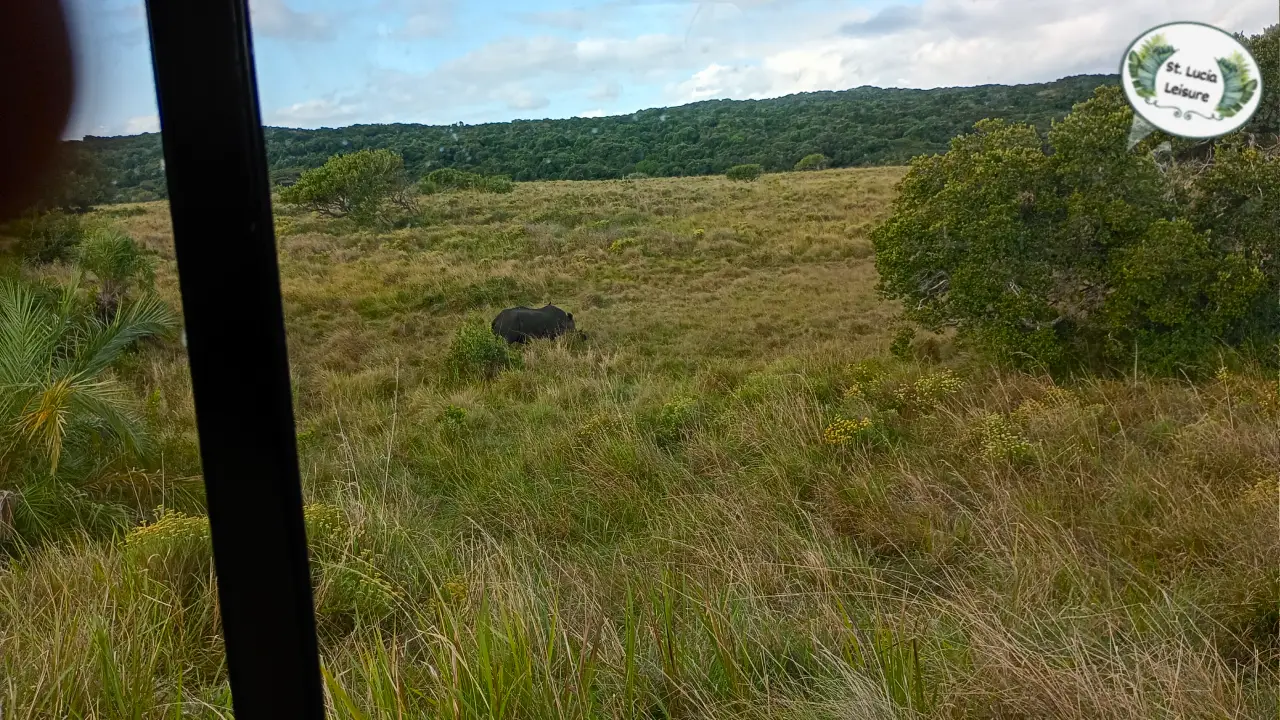
In the vast open woodlands and coastal thickets of the iSimangaliso Wetland Park, a quiet, monumental battle for survival plays out every day. If you are lucky enough to spot a white or black rhino here, you will immediately notice something striking: their iconic horns are gone. This is the reality for the dehorned rhinos in iSimangaliso, where dedicated conservation teams use extreme measures to protect these ancient giants from the relentless threat of poaching.
First and foremost, dehorning is a proactive shield. Poaching syndicates target rhinos for their horns, which are illegally traded on global black markets. By carefully removing the horn under veterinary supervision, conservationists dramatically lower the economic incentive for poachers. While the process requires regular procedures as the horn naturally grows back, it has proven to be one of the most effective ways to ensure these magnificent animals can roam free without a target on their backs.
Furthermore, these dehorned rhinos in iSimangaliso continue to lead natural, social lives. Because the horn is made of keratin—much like human fingernails—the painless dehorning process doesn’t alter their behavior, foraging, or ability to raise their young. Within the park’s diverse ecosystems, they still play their crucial role as mega-herbivores, shaping the landscape and creating grazing lawns that support countless other species.
During our 30-day volunteer programs, participants stay at St Lucia Eco Lodge and work alongside veteran guides from Shakabarker Tours and Safaris. While helping with conservation efforts, volunteers can learn about the complex logistics, anti-poaching patrol monitoring, and community outreach necessary to keep these protected herds safe.
In the end, while it is humbling to see these creatures without their signature horns, it is a powerful symbol of human determination. Each dehorned rhino you see is a survivor, thriving within South Africa’s first UNESCO World Heritage Site because of the tireless work of Zululand’s rangers. Keep your eyes open on your next safari, and appreciate the immense effort it takes to keep them here.In the vast open woodlands and coastal thickets of the iSimangaliso Wetland Park, a quiet, monumental battle for survival plays out every day. If you are lucky enough to spot a white or black rhino here, you will immediately notice something striking: their iconic horns are gone. This is the reality for the dehorned rhinos in iSimangaliso, where dedicated conservation teams use extreme measures to protect these ancient giants from the relentless threat of poaching.
First and foremost, dehorning is a proactive shield. Poaching syndicates target rhinos for their horns, which are illegally traded on global black markets. By carefully removing the horn under veterinary supervision, conservationists dramatically lower the economic incentive for poachers. While the process requires regular procedures as the horn naturally grows back, it has proven to be one of the most effective ways to ensure these magnificent animals can roam free without a target on their backs.
Furthermore, these dehorned rhinos in iSimangaliso continue to lead natural, social lives. Because the horn is made of keratin—much like human fingernails—the painless dehorning process doesn’t alter their behavior, foraging, or ability to raise their young. Within the park’s diverse ecosystems, they still play their crucial role as mega-herbivores, shaping the landscape and creating grazing lawns that support countless other species.
During our 30-day volunteer programs, participants stay at St Lucia Eco Lodge and work alongside veteran guides from Shakabarker Tours and Safaris. While helping with conservation efforts, volunteers can learn about the complex logistics, anti-poaching patrol monitoring, and community outreach necessary to keep these protected herds safe.
In the end, while it is humbling to see these creatures without their signature horns, it is a powerful symbol of human determination. Each dehorned rhino you see is a survivor, thriving within South Africa’s first UNESCO World Heritage Site because of the tireless work of Zululand’s rangers. Keep your eyes open on your next safari, and appreciate the immense effort it takes to keep them here.
Contact us HERE or us the WhatsApp button on the screen right now.
AI SEO GEO by The Sardine News.